
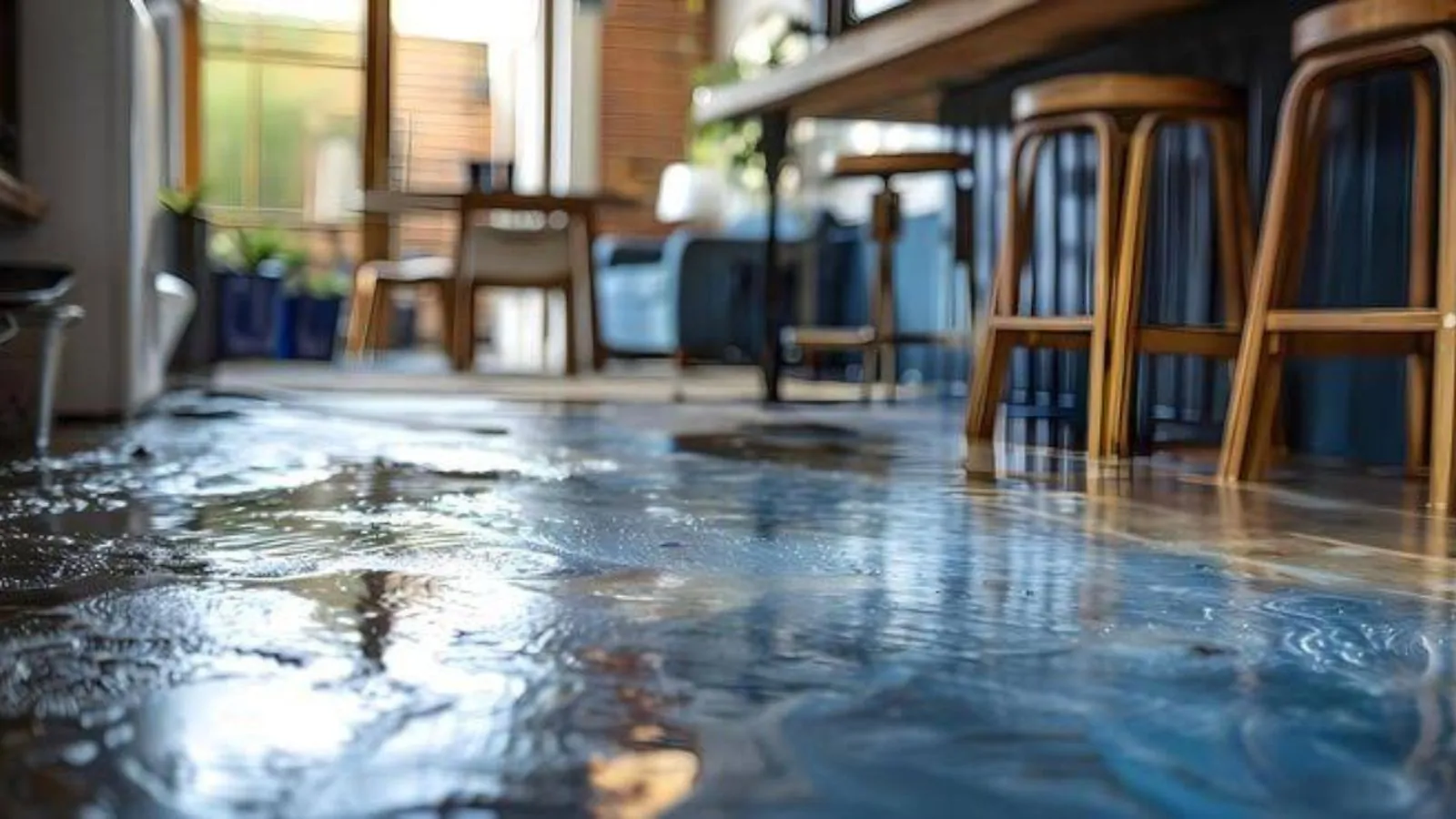
Water damage is sorted into three categories based on how contaminated the water is: Category 1 is clean water from a sanitary source, Category 2 is gray water with significant contamination and Category 3 is black water that is grossly contaminated.
The system comes from the S500 standard published by the IICRC and used across the restoration industry. The category decides what can be dried, what must be removed and what protective steps are needed in a Palm City, FL home.
Knowing the category helps you understand why one cleanup is a dry-and-repair job and another is a removal-and-sanitize job.
The three categories
| Category | What it is | Common sources | Usual approach |
|---|---|---|---|
| 1. | Clean water from a sanitary source. | A broken supply line, an overflowing sink with clean water, rain through a roof. | Extract and dry. Carpet and drywall can often be saved if dried quickly. |
| 2. | Gray water with some contamination. | Washing machine or dishwasher discharge, toilet overflow with urine only, sump overflow. | Extract, clean and dry. Pad is often removed. Some porous materials may go. |
| 3. | Black water, grossly contaminated. | Sewage, flood water, river or creek water, standing water that has grown bacteria. | Remove porous materials near the waterline, sanitize and dry. |
Category 1: clean water
Clean water begins as safe, drinkable supply water. A burst pipe, a failed hose or a leaking water heater are classic sources. The key point is that Category 1 does not stay clean forever.
As time passes, or as the water picks up dirt and organic material from the materials it touches, it can become Category 2. That is why speed matters even when the source is clean. See the burst pipe page and the water heater page.
Category 2: gray water
Gray water carries some contamination that can cause illness. Examples are discharge from a washing machine or dishwasher and some overflows. Carpet and pad that took gray water are often removed, and hard surfaces are cleaned. The appliance leak page explains how drain water differs from supply water.
Category 3: black water
Black water is grossly contaminated, and it can contain pathogens. Sewage backup is the standard example. Flood water, including water from a river or creek, is also treated as Category 3 because of what it picks up as it moves. Porous materials are removed, and protective equipment is used. See the sewage backup page and the flood damage page.
Categories and local flooding in Palm City
Palm City sits between the South Fork of the St. Lucie River and Florida's Turnpike, with creeks such as Danforth Creek and Bessey Creek draining the area. Water that comes from a creek or river during a flood is treated as Category 3.
Martin County's flood guidance notes that most standard homeowners policies do not cover flood damage, and the county publishes a flood zone map where you can search by address. Whether a water event is classed as flood or as rain through a roof can affect both the cleanup and the claim.
Water gets worse with time
The standard also treats time as a factor. Clean water left in a structure for an extended time can degrade, and it can be reclassified as it picks up contamination. Warm conditions speed that up. This is part of why a crew works to extract and dry quickly, and why a long delay changes the plan.
- Identify the sourceWhere did the water come from, and what has it passed through?
- Assign a categoryThe crew judges the contamination and how long it has been present.
- Choose the materials planWhich items can be dried, which must be removed.
- Protect peopleProtective gear, containment and disposal are used for Category 2 and 3.
- Dry and verifyReadings show when the structure is dry. See structural drying.
What this means for your belongings
| Item | Category 1 | Category 2 | Category 3 |
|---|---|---|---|
| Carpet. | Often dried. | Pad usually removed, carpet may be cleaned. | Usually removed. |
| Drywall. | Often dried in place. | May be cut out near the waterline. | Cut out near the waterline. |
| Wood floors. | Often dried with care. | Case by case. | Often removed. |
| Mattresses and sofas. | Sometimes saved. | Usually discarded. | Discarded. |
| Tile and concrete. | Dried. | Cleaned and dried. | Cleaned, sanitized and dried. |
These are general patterns, and the crew's judgment and readings decide. The carpet page and the wall and drywall page explain the decisions in more detail.
Health and safety
Keep children, pets and anyone with a weakened immune system away from Category 2 and 3 water. Wear waterproof gloves and boots if you must enter, wash hands well and do not eat or drink in the area. For symptoms such as stomach illness or skin infection after exposure, talk to a doctor.
If you are not sure of the category, treat the water as the worse one until a professional checks it. The pages for Port Saint Lucie and Jensen Beach describe local waterways and storm history that may bear on a flood event.
Not sure what kind of water it is? Call the line and describe the source.
☎ Call (833) 521-1033What to do right now
- Stop the source of water if it is safe to do so.
- Keep power off in wet areas and stay out of standing water near outlets.
- Photograph the damage before moving or throwing anything away.
- Open interior doors for airflow, and do not heat the room to speed drying.
- Call a restoration line if the area is large or the water has sat for more than a day.
Common questions
What are the three water damage categories?
Category 1 is clean water, Category 2 is gray water with some contamination and Category 3 is black water that is grossly contaminated.
Is flood water Category 3?
Yes. Flood water is treated as Category 3 because of what it picks up as it moves.
Can clean water turn into gray water?
Yes, over time or as it picks up contamination from materials. That is why quick action matters.
Who defines these categories?
They come from the S500 standard published by the IICRC.
Can I clean Category 3 water myself?
It is best left to trained crews with protective equipment. Keep people and pets away.