
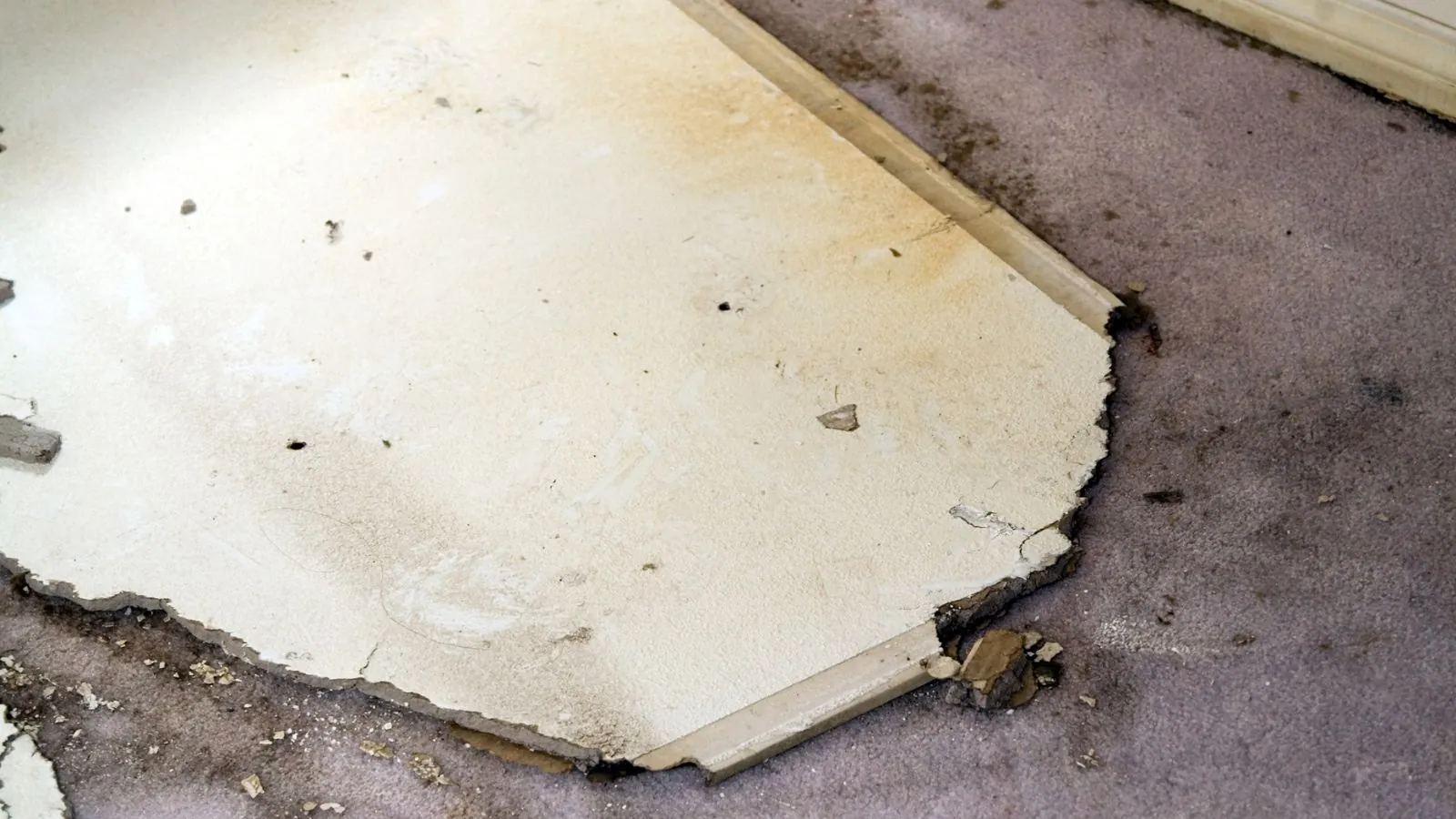
Basement water damage cleanup is the removal of water from basements, lower levels, sunken rooms and other below-grade spaces, along with the drying and repair of what it touched.
Basements are rare in Florida because of the high water table, so this page covers the below-grade spaces that do exist, such as walk-out lower levels, garages with finished rooms, stairwells and sunken living areas. If water is standing in a low space in your Palm City home, call the 24/7 line.
Do not enter a room with standing water if electrical outlets, appliances or the panel are near the water. Turn off power to the area only from a dry spot, and call 911 or the utility if you cannot do so safely.
Why below-grade spaces flood
Low rooms sit under the surrounding ground, so water flows toward them. Heavy rain, poor drainage, a high water table, a failed sump pump and plumbing leaks all send water in. In this part of Florida the water table is shallow, and the soil can saturate during long rains.
Surface runoff
Water pools against the foundation and enters through doors, window wells and cracks.
Groundwater
A rising water table can push water up through the slab or the joint where the floor meets the wall.
Equipment failure
A sump pump that fails during a storm leaves a low room to fill.
Basement emergency: first steps
- Stay out of standing water that could touch electric equipment.
- Shut off the main water if a pipe is leaking.
- Move valuables up and photograph the water level.
- Do not pump out a flooded space too quickly if the ground is saturated outside.
- Call the 24/7 line and describe how deep the water is.
On pumping, take care. If the soil around a foundation is full of water, draining a space too fast can create pressure on the walls. A crew lowers the level in stages and watches the building as it goes.
What the cleanup includes
- Assess and make safeElectrical hazards, structural issues and water depth are checked.
- Pump and extractWater is lowered gradually and the remaining water is extracted.
- Remove wet materialsCarpet, pad, drywall and insulation below the waterline are removed.
- Clean and drySurfaces are cleaned and the space is dried with air movers and dehumidifiers.
- Check for growthMold is checked for after drying. See the mold remediation page if needed.
| Material | After water exposure | Reason |
|---|---|---|
| Concrete and tile. | Usually cleaned and dried. | Not porous or easily cleaned. |
| Carpet and pad. | Often removed. | Hold water and contamination. |
| Drywall near the floor. | Often cut out above the waterline. | Wicks water upward. |
| Stored cardboard and fabric. | Usually discarded. | Can grow mold quickly. |
For water that came from outside, see the flood damage page. For leaks from inside, see burst pipe damage. Drying equipment is covered on the structural drying page.
Prevention is drainage
A contractor can improve grading, add a drain or install a pump. This service dries and repairs. If your space floods more than once, ask about drainage work.
What shapes the cost of a low-level cleanup
Many policies exclude groundwater and flood, which may need separate coverage. Check your policy and ask your insurer. Want your real number? Call (833) 521-1033.
Low room flooded? Stay clear of electrical equipment and call the line.
☎ Call (833) 521-1033The published ANSI/IICRC S500 standard is the reference for below-grade water jobs, including how water categories change what can be kept.
Low rooms and sunken spaces are rare here, but they exist in Palm City and in Jensen Beach, Port Salerno, Hobe Sound, Port Saint Lucie and Indiantown. Call with the depth of the water and the source.
Common questions
Do you handle basement and lower-level water emergencies at night or on weekends in Palm City?
Yes. The 24/7 line takes calls at night and on weekends. Stay out of standing water near electrical equipment and call with the depth and the source.
Are there basements in Palm City?
They are uncommon in Florida because of the high water table. This page covers below-grade spaces such as walk-out levels, sunken rooms and finished garage areas.
Can you pump the water out right away?
A crew pumps in stages when the ground is saturated outside, to avoid stressing the walls.
Will mold grow after a low-level flood?
It can if the space stays damp. Drying and removing wet materials quickly lowers the risk.
Is basement flooding covered by insurance?
Many policies exclude flood and groundwater and cover sudden plumbing failures. Read your policy and ask your insurer.