
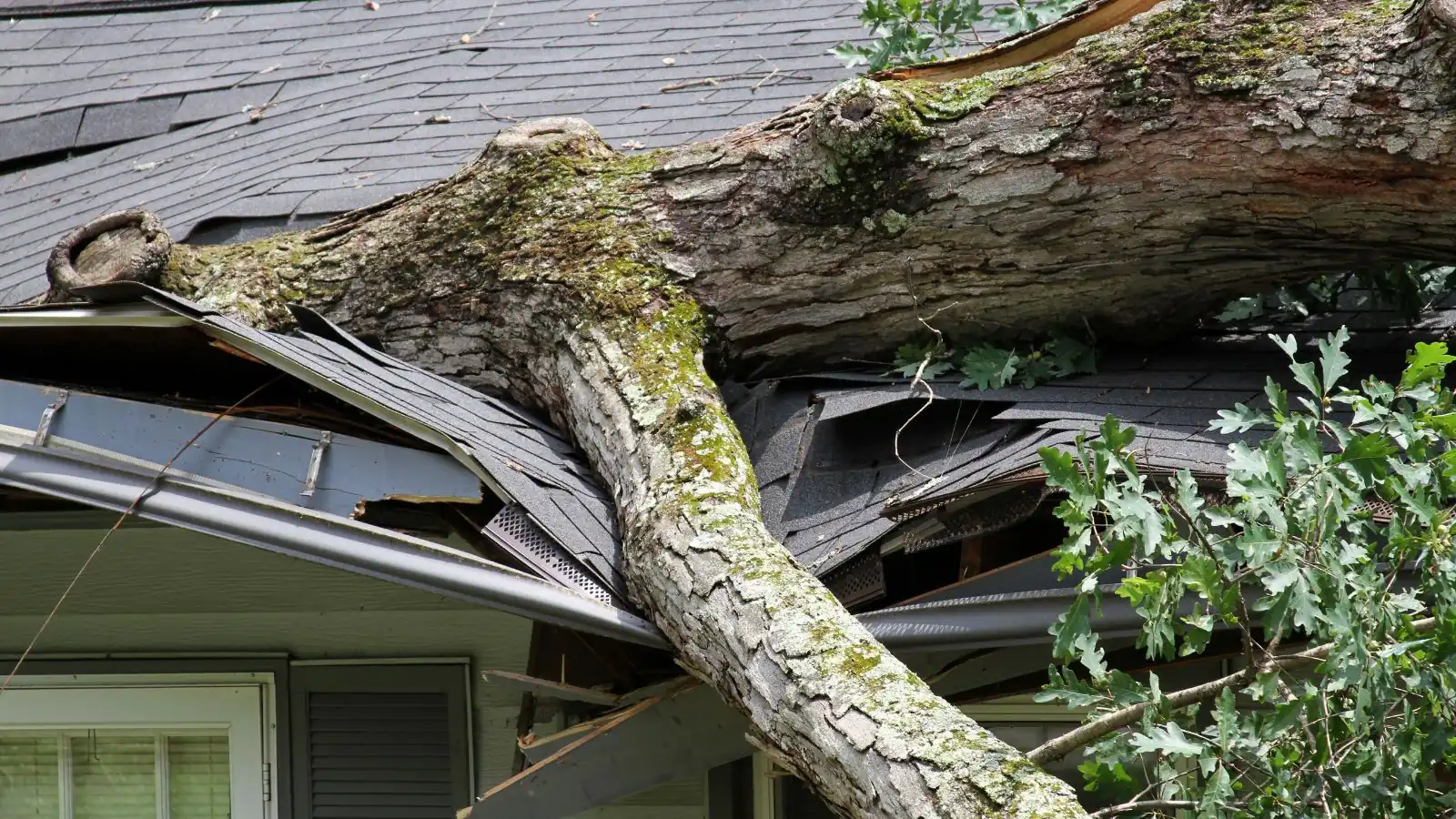
Storm water damage cleanup is the removal and drying of water that entered a building through a damaged roof, windows, doors or walls during a storm.
Palm City, FL is in an area that gets heavy rain and tropical weather, and the Atlantic hurricane season officially runs from June 1 to November 30. If a storm has let water into your home, make sure it is safe to be there first, then call the 24/7 line.
Stay away from downed power lines, avoid flooded roads and do not enter a building if you suspect structural damage. When you can, take photos of the damage and the openings, and cover them if you can do it safely with tarps.
Storm emergency: make it safe, then call
- Check for hazardsLook for downed lines, gas odors and structural damage before going in.
- Cut power to wet areas if it is safeOnly if you can reach the panel without standing in water.
- Photograph everythingDocument the openings, the water and the damaged items.
- Cover the openingA tarp or board can slow further rain. Do not climb on a wet or damaged roof.
- Call the 24/7 lineSay what let the water in, where it is and whether any ceilings are sagging.
How storm water gets in
Wind-driven rain can enter around windows and doors, through damaged shingles, under flashing and through vents. Ceilings often soak first, because water collects in attic insulation and drops through the drywall. A storm can also lift a section of roof or break a window, which lets in large amounts of water in a short time.
Roof and attic
Missing shingles, torn flashing and damaged vents let water into the attic, where it soaks insulation and drops through the ceiling.
Windows and doors
Broken glass and worn seals allow wind-driven rain to wet walls and floors.
Walls and stucco
Water can enter through cracks and openings and travel inside the wall to a spot far from the entry.
Storm water or flood water?
The difference matters for cleanup and for insurance. Rain that enters through the roof is usually treated as clean or mildly contaminated water, and carpet or drywall may be dried if work starts quickly. Water that rises from the ground or a river is flood water and is handled as contaminated. See the flood damage page for that case.
Martin County's flood guidance notes that most standard homeowners policies do not cover flood damage, and that damage from rain through a wind-created opening may be handled differently from rising water. Policy wording decides, so ask your insurer how your policy treats each.
| What happened | Usual water type | What follows |
|---|---|---|
| Rain through a damaged roof. | Clean to mildly contaminated. | Tarp, extract, dry, repair ceiling and insulation. |
| Wind-driven rain at windows. | Clean to mildly contaminated. | Dry walls and floors, check trim and sills. |
| Rising water into the home. | Contaminated flood water. | Extract, remove porous materials, sanitize and dry. |
Cleanup after the storm
Once the building is safe, the crew extracts water, opens wet areas and dries the structure. Wet insulation and sagging ceilings are the first priority. See the ceiling water damage page for how roof leaks show up inside, and structural drying for the equipment.
Roof and window repair is separate
A roofer or window contractor repairs the opening. This line handles the water inside. Ask a licensed contractor for a temporary cover if rain is still coming.
What shapes the cost of storm cleanup
Insurance claims after storms often involve separate wind, water and flood coverage. Check your policy and ask your insurer. Want your real number? Call (833) 521-1033.
Storm water inside? Make it safe and call the 24/7 line.
☎ Call (833) 521-1033After a storm, calls arrive from every town at once: Palm City, Port Saint Lucie, Jensen Beach, Port Salerno, Hobe Sound and Indiantown. Make the home safe first, then call.
Common questions
Do you handle storm water damage emergencies at night or on weekends in Palm City?
Yes. The 24/7 line takes calls at night, on weekends and on holidays. After a storm, safety comes first, so check for hazards before you enter and call once conditions allow.
Should I cover the roof myself?
Only if you can do it safely from the ground or a stable position. Do not climb on a wet or damaged roof. A roofer can tarp it.
Is rain through a roof the same as flood?
No. Rain through a roof or window is different from rising water from the ground, and insurers often treat them differently.
How soon should drying start after a storm?
As soon as it is safe. Water left in walls and insulation for days raises the chance of mold and damage.
Will insurance cover storm water damage?
It depends on how the water got in and on your policy. Read your policy and ask your insurer, and take photos before cleanup.