
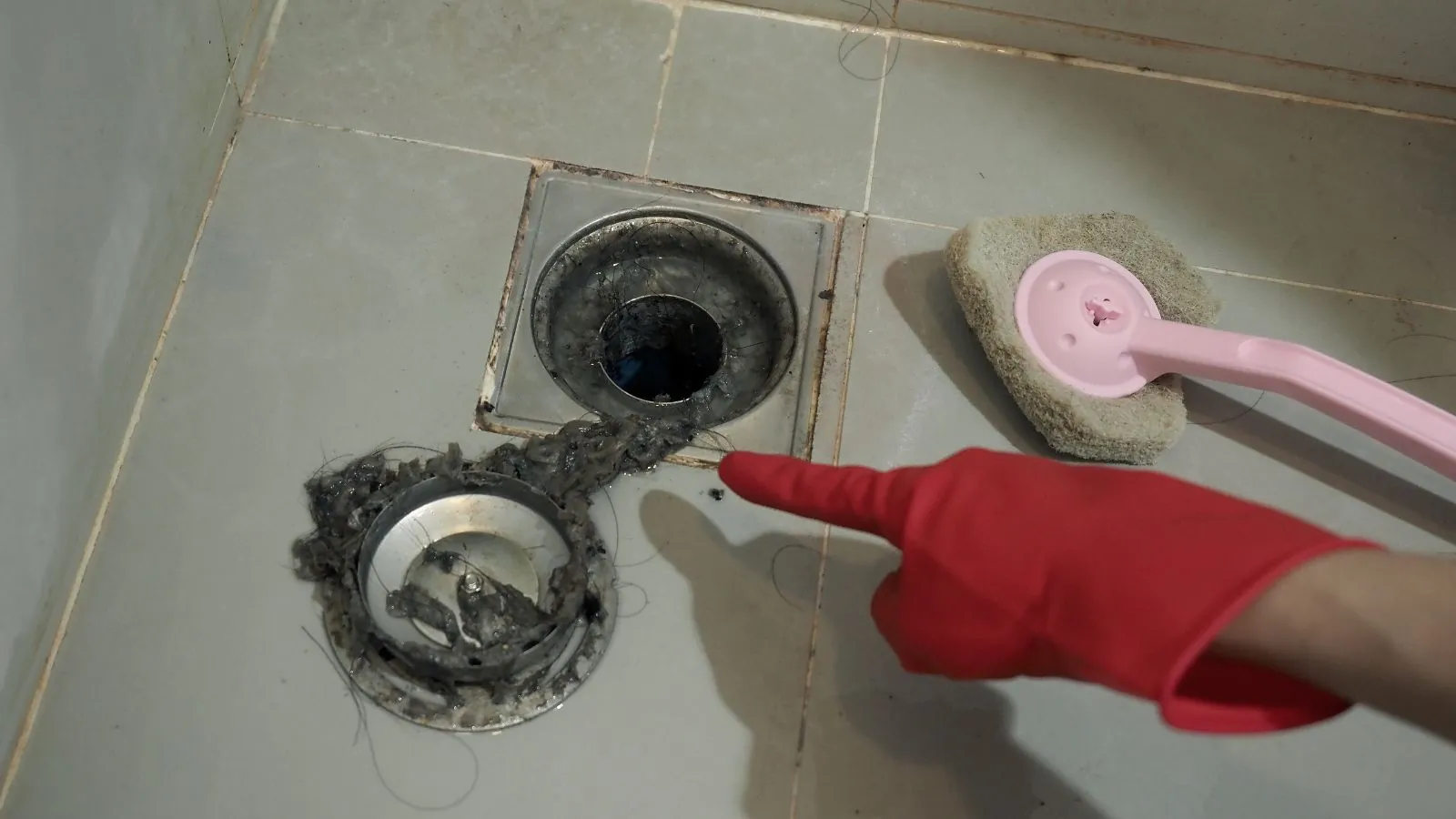
Sewage backup cleanup is the removal of contaminated wastewater that has come up through a toilet, tub, floor drain or cleanout, along with the sanitizing and drying of everything it touched.
If sewage is coming into your Palm City, FL home right now, treat it as an emergency. Stop using water, keep children and pets out and call the 24/7 line. Do not try to wipe it up with towels or a household vacuum.
Sewage is classed as Category 3 water under the S500 standard. It can carry bacteria, viruses and parasites, so protective gear and proper disposal matter. Porous materials that sat in it, such as carpet and pad, are normally removed and discarded rather than cleaned.
Sewage emergency: what to do right now
- Stop using waterDo not flush toilets, run the dishwasher, wash clothes or run taps. Every use sends more water into the line.
- Keep everyone outChildren, pets and anyone with a weak immune system should stay out of the affected area.
- Do not touch it bare-handedWear waterproof gloves and boots if you must enter, and wash well afterward.
- Find out where the blockage isIf neighbors have the same problem, it may be the municipal line. If only your house is affected, it is probably your lateral.
- Call the 24/7 lineDescribe where the sewage is coming from and how far it has spread.
Why sewage backs up
Common causes are a blockage in the house line, tree roots entering a cracked pipe, grease and wipes, a collapsed line and, in storms, sewer systems overwhelmed by heavy rain. A septic system that is full or failing can also push waste back into the house, which is common in areas without municipal sewer.
| Cause | How you can tell | Who fixes the line |
|---|---|---|
| Blockage in your own line. | Only your house is affected, and several drains are slow. | A plumber. |
| Municipal main blocked. | Neighbors are affected too, or water is backing up in the bottom-most fixture first. | Your utility or the city. |
| Septic system issue. | Slow drains, gurgling and odors, and wet spots in the yard. | A septic service company. |
| Storm overload. | Backup follows heavy rain. | The utility, once flows return to normal. |
How the cleanup works
After the source is stopped, the crew extracts standing wastewater, removes porous materials, cleans and sanitizes hard surfaces and dries the structure. Carpet, pad, baseboards and drywall that were wetted by sewage are usually cut out and bagged. Concrete, tile and framing are cleaned and treated.
Contents are sorted into what can be cleaned and what must be thrown out. Anything porous that touched sewage, including cardboard, stuffed items and upholstered furniture, usually goes. The flood damage page covers water that comes from outside, which is treated with the same level of caution.
After the hazard: odor, drying and mold
Drying is as important as cleaning. Leftover moisture and organic residue feed odor and mold. Air movers and dehumidifiers run until readings match dry standards, as covered on the structural drying page. If a musty odor remains after cleaning, a check for hidden growth may follow, which is described on the mold remediation page.
Health note
This page is not medical advice. If anyone in the home develops stomach illness, skin infection or breathing problems after exposure, contact a doctor. Local health guidance can come from the Florida Department of Health in Martin County.
What shapes the cost of a sewage cleanup
Coverage for sewage backup often depends on a water backup endorsement on the policy, which is sold separately by many insurers. Check your policy and ask your insurer. Want your real number? Call (833) 521-1033.
Sewage in the house? Keep out of it and call the 24/7 line.
☎ Call (833) 521-1033Sewage backups come from city lines in Port Saint Lucie and from septic homes in the rural parts of the county. The crew handles both in Palm City, Jensen Beach, Port Salerno, Hobe Sound and Indiantown.
Common questions
Do you handle sewage backup emergencies at night or on weekends in Palm City?
Yes. The 24/7 line is open at night, on weekends and on holidays. Stop using water, keep everyone away and call with the source of the backup and the rooms affected.
Is sewage backup dangerous?
Yes. Sewage can carry bacteria and viruses. Keep people and pets away, wear protective gear if you must enter and let trained crews clean it.
Can carpet be saved after sewage backup?
Usually not. Carpet and pad that touched sewage are normally removed and discarded, while hard surfaces can be cleaned and sanitized.
Who is responsible for the sewer line?
The homeowner is generally responsible for the line on their property, and the utility for the main in the street. A plumber or the utility can tell you where the problem is.
Does insurance cover sewage backup?
Often only with a water backup endorsement. Read your policy and ask your insurer.