
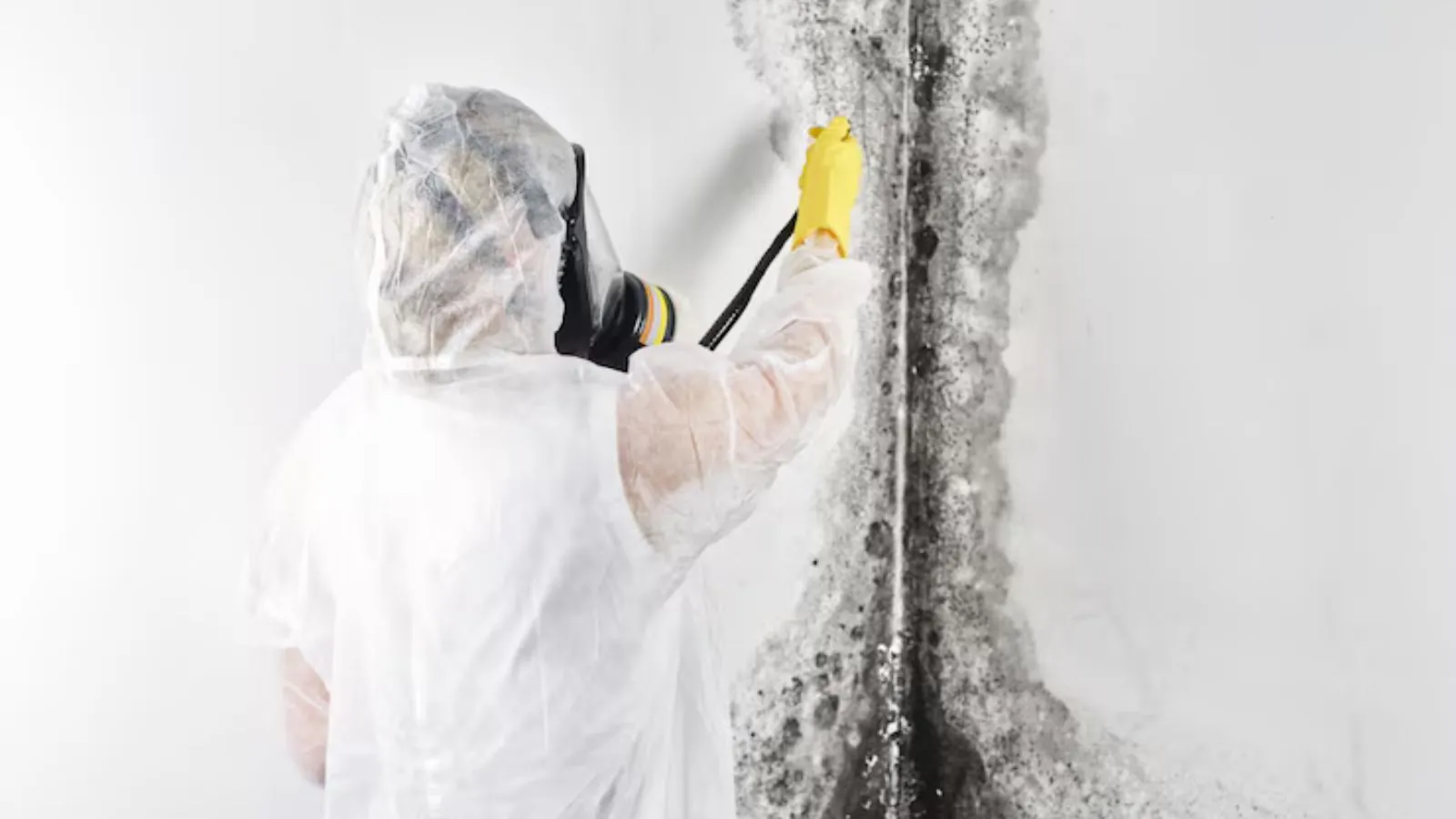
Mold remediation is the process of finding and fixing the moisture that feeds mold, containing the affected area, removing the growth and materials it has damaged and confirming that the space is clean.
In Palm City, FL, high humidity and frequent rain mean mold often follows water damage, so it is a common concern. If you see or smell mold, call the line. Avoid touching or disturbing it, and keep children and anyone with breathing problems away from the area.
Mold usually starts after materials stay wet for a day or two. The EPA's guidance is that the key to mold control is moisture control, and that fixing the source of water is the first step. Cleaning the mold without fixing the moisture means it returns.
Is it mold? Signs to look for
- A musty, earthy smell that gets stronger when the AC runs.
- Black, green, white or gray spots on walls, ceilings or trim.
- Discolored drywall or paint that bubbles or peels.
- Visible growth on or under carpet, in closets or behind furniture.
- Allergy-like symptoms that ease when you leave the house.
- A recent leak, flood or humid spell that was never fully dried.
Color does not tell you whether mold is harmful. Do not rely on the color to decide how serious it is. A source of moisture plus a surface that stays damp is the real warning.
Testing and inspection
Visible mold does not always need a lab test, because the response is the same: fix the moisture and remove the growth. Testing can help when there is a smell but no visible growth, when growth may be hidden, or when you need documentation for an insurer, a buyer or a lender.
Air and surface sampling should be done by an independent professional, not by the company doing the removal, so that the results are unbiased.
How remediation runs
- Fix the moistureThe leak or humidity source is repaired and the area is dried. See structural drying.
- Contain the areaPlastic barriers and negative air control keep spores from spreading to clean rooms.
- Remove contaminated materialsPorous materials such as drywall, insulation and carpet with growth are removed and bagged.
- Clean surfacesFraming and hard surfaces are cleaned with HEPA vacuums and damp wiping.
- Dry and verifyThe space is dried and checked. Clearance testing by an independent party confirms the result.
| Surface | Usual approach | Why |
|---|---|---|
| Drywall and insulation. | Removed and replaced. | Porous, hard to clean. |
| Carpet and pad. | Removed. | Hold moisture and spores. |
| Wood framing. | Cleaned and dried, sometimes sanded. | Can be cleaned if structurally sound. |
| Tile, glass, metal. | Cleaned. | Non-porous. |
Clearance testing and the lender or home-sale question
Clearance testing is a check after remediation that shows whether the space has returned to normal conditions. It is done by an independent assessor and gives you a written result. Buyers, lenders and insurers sometimes ask for it, which makes it useful when you are selling or refinancing a home.
If you are in the middle of a sale, tell your agent early. Disclosure rules and lender requirements vary, so ask your real estate agent or attorney what applies to your situation. The documentation from the remediation and clearance process helps show that the problem was addressed.
Do not try to bleach a large area
Bleach does not fix the moisture and does not remove growth from porous materials. For anything larger than a small patch, the EPA suggests hiring a professional. Wear protective gear if you clean a small area yourself and fix the water first.
Where mold comes from
Mold follows water. Common sources are old leaks that were never dried, AC drain problems, wall leaks and roof leaks, so see the AC leak page, the wall and drywall page and the ceiling page. After a flood, the flood damage page describes how quickly drying should begin.
What shapes the cost of mold remediation
Many policies limit or exclude mold coverage unless it follows a covered water loss. Check your policy and ask your insurer. Want your real number? Call (833) 521-1033.
See or smell mold? Do not disturb it. Call the line to talk it through.
☎ Call (833) 521-1033What to do before mold work starts
- Stay out of the affected room and keep the door closed so spores are not spread through the house.
- Do not scrub or spray bleach on large patches, because disturbing growth can release more spores.
- Turn off fans and HVAC returns that pull air from the affected area.
- Fix or stop the water source first, since mold returns where moisture stays.
- Photograph the area and keep any items you remove, in case you file a claim.
Professional mold work follows the published ANSI/IICRC S520 standard for mold remediation, which is separate from the S500 water standard.
Mold calls come from Palm City 34990 and from Port Saint Lucie, Jensen Beach, Port Salerno, Hobe Sound and Indiantown. If water is still present, say so, because the source has to be stopped first.
Common questions
Do you handle mold emergencies at night or on weekends in Palm City?
The 24/7 line takes calls any time. Mold is rarely an emergency like active flooding, but if water is still present, call right away so the source can be stopped.
Do I need to test for mold?
Not always. If growth is visible, the response is the same with or without a test. Testing helps when growth is hidden or when documentation is needed.
Is mold dangerous?
Mold can cause allergy-like symptoms and may affect people with asthma or weak immune systems. For health concerns, talk to a doctor.
Will mold come back?
It can if the moisture is not fixed. Remediation fixes the source, removes growth and dries the area.
Does mold affect selling or refinancing a home?
It can. Buyers and lenders sometimes ask for clearance testing. Ask your agent or attorney what applies, and keep the documentation.
Will insurance cover mold removal?
It depends on the cause and the policy. Some policies cover mold only after a covered water loss. Read your policy and ask your insurer.