
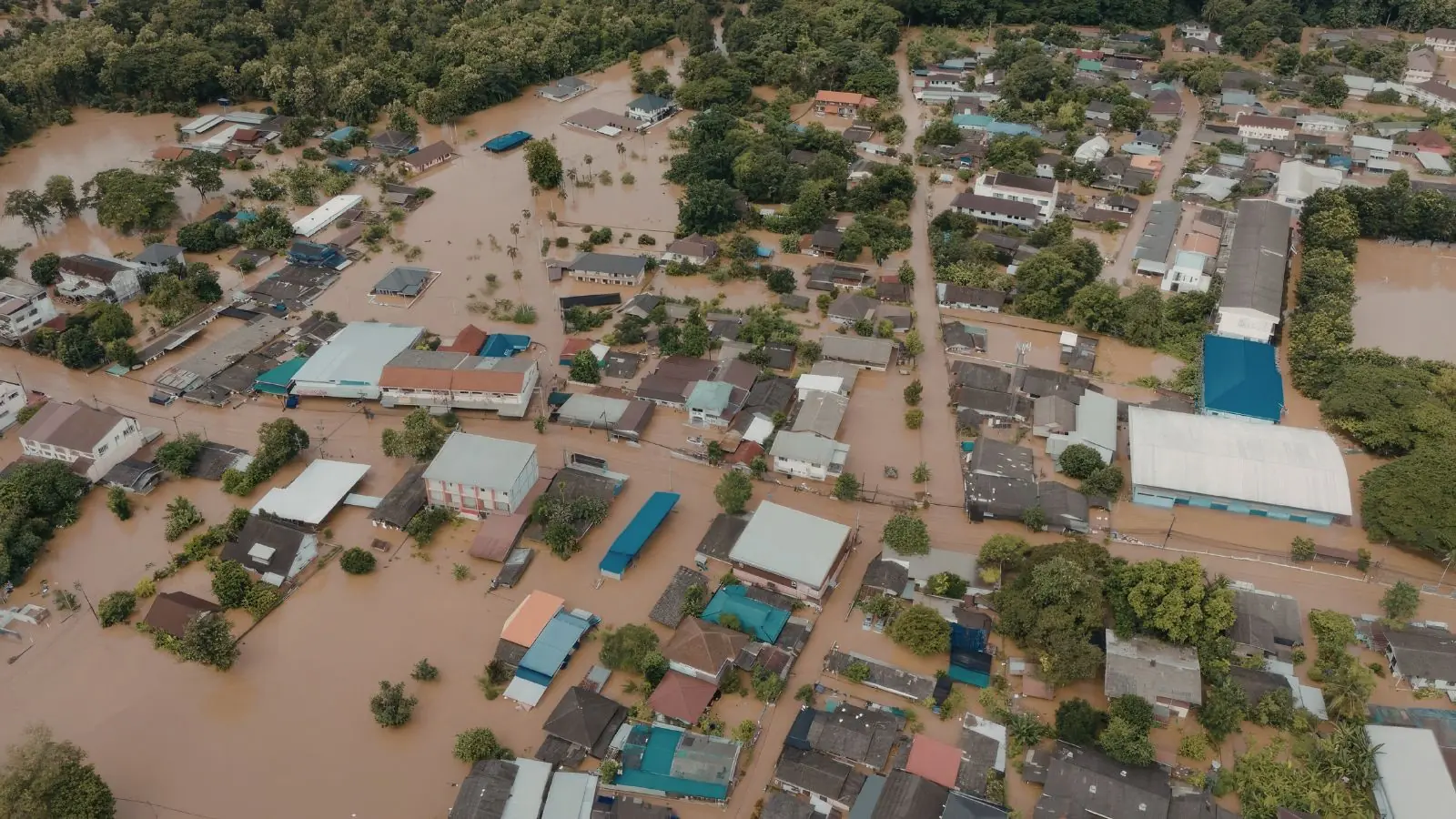
To prepare a Palm City, FL home for storm season, check the roof and gutters, clear drains, know where the water shutoffs are, photograph your property and belongings, review your insurance, and plan where valuables will go if water arrives. The Atlantic hurricane season officially runs from June 1 to November 30, and heavy rain can happen outside it, so the checklist is worth keeping all year.
This guide focuses on water: how it gets in, how to slow it and what to do after the wind and rain stop.
Outside the house: roof, gutters and drainage
- Look for missing, cracked or lifted shingles and damaged flashing, or ask a roofer to check.
- Clear gutters and downspouts and make sure they empty away from the foundation.
- Check caulk and seals around windows, doors and sliding doors.
- Trim branches that can fall on the roof or windows.
- Clear yard drains and ditches so water can leave.
- Know where water pools on your lot after a heavy rain.
Most storm water enters through the roof and openings, not from the ground. A roof that has missing shingles lets rain into the attic, where it soaks insulation and shows up as a ceiling stain days later. The ceiling page explains how that unfolds, and the storm water damage page covers the cleanup.
Inside the house: shutoffs and valuables
- Find the main water shutoffMake sure everyone in the house knows where it is, and that the valve turns.
- Know the electrical panelLearn where it is and keep a flashlight nearby. Do not touch it if the area is wet.
- Move valuables upPut documents, electronics and keepsakes on high shelves or in waterproof containers.
- Check the sump or pumpIf you have one, confirm it works and has power.
- Photograph and listTake photos or video of each room and your belongings and keep copies somewhere other than the house.
What Palm City and Martin County say about flood risk
Martin County uses FEMA flood maps and publishes a flood zone map where you can search by address. The county reports that its updated maps for rivers, streams and creeks took effect on March 16, 2015, and that FEMA's coastal update took effect on February 19, 2020. Even outside a mapped hazard area, the county warns that flooding can still happen.
Palm City sits between the South Fork of the St. Lucie River and Florida's Turnpike, with creeks such as Danforth Creek and Bessey Creek draining the area. If your street holds water, the county has a drainage reporting tool. For indoor water, call the 24/7 line.
Insurance before the storm
Read your policy before storm season. Ask whether it covers wind and rain through a roof opening, whether flood is covered or excluded, what your deductible is for named storms and whether there are rules for vacant homes.
Martin County notes that most standard homeowners policies do not cover flood damage, so a separate flood policy may be needed. Flood policies often have a waiting period before they take effect, so ask your agent about timing.
Keep a list of the numbers you will need: your insurer's claim line, your agent, the electric utility and the 24/7 restoration line. Save them on your phone and on paper.
If the storm passes and water got in
| What happened | First step | Where to read more |
|---|---|---|
| Rain came through the roof or a window. | Cover the opening if it is safe, then call. | Storm water damage. |
| Water came up from outside. | Stay out of it, keep power off, then call. | Flood damage cleanup. |
| A pipe or heater failed during the storm. | Close the main valve, then call. | Burst pipe damage. |
| A ceiling is sagging. | Move out from under it, then call. | Ceiling water damage. |
Do not enter a home you think is unsafe, do not touch downed power lines and avoid driving through flooded roads. Photograph the damage before cleanup, keep receipts and call your insurer.
If you will be away
Many people leave their homes for part of hurricane season. Before you go, shut off the main water valve if you plan to be away for long, unplug electronics, empty the refrigerator, and ask someone to check the house after any storm. A leak in an empty house can run for days, so ask your insurer about vacancy conditions.
For towns in the service area, the pages for Port Saint Lucie and Hobe Sound describe local conditions, and the mold page explains what to do if a wet house was not dried in time.
Storm water inside? Make it safe and call the 24/7 line.
☎ Call (833) 521-1033Common questions
When is hurricane season in Florida?
The Atlantic hurricane season officially runs from June 1 to November 30. Heavy rain and flooding can happen at other times.
What is the most important water preparation step?
Know where your main water shutoff is and make sure it turns. It stops a burst pipe from flooding the house.
How do I find my flood zone?
Search your address on Martin County's FEMA flood zones map or the FEMA Flood Map Service Center.
Does homeowners insurance cover flood?
Usually not. Martin County notes that most standard homeowners policies do not cover flood damage. Ask your agent about flood coverage.
Should I turn off the water when I leave for a storm?
Many people do, especially for an extended absence. Ask your plumber or insurer whether it is right for your home.