
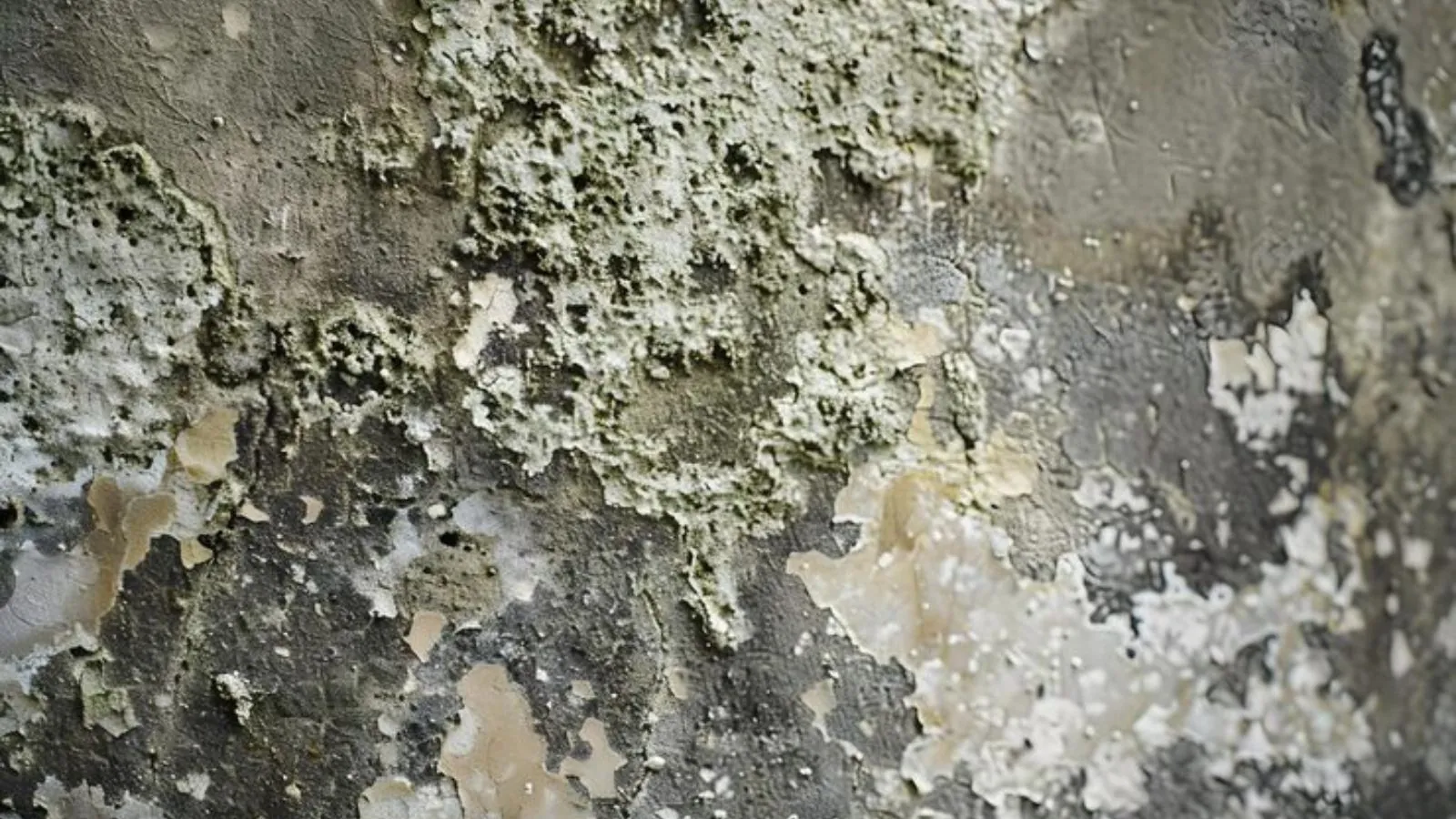
A musty smell after water damage usually means moisture is still trapped in the building, often in drywall, insulation, carpet pad or under flooring, and that mold or bacteria may be starting to grow.
In Palm City, FL, where the air is humid for much of the year, a smell that lingers after a leak was fixed is a good reason to check the wall and floor, not just to open a window.
Odor is not a diagnosis, but it is a useful clue. This guide covers what causes the smell, where to look in your house and what happens when you call a professional.
What causes the smell
The earthy, stale odor people call musty comes from microbial growth on damp materials. Mold gives off gases as it grows, and bacteria in wet carpet pad or contaminated water add their own smells. Smell does not tell you what kind of mold it is, how much there is or whether it is harmful.
A leak that was dried quickly rarely leaves a smell. A leak that sat for a few days, or was only mopped, often does. That is why the smell may show up a week after the water seemed gone.
Where to look first
| Place | Why it holds moisture | What to check |
|---|---|---|
| Carpet and pad. | Pad holds water and dries slowly. | Press the carpet for dampness, and sniff at the edges and under furniture. |
| Baseboards and wall base. | Water wicks up from the floor. | Look for swelling, stains or gaps. |
| Inside walls. | Insulation and drywall stay wet longer than the surface. | Use a moisture meter, or ask for readings. |
| Cabinets under sinks. | Slow leaks soak the base. | Look inside the cabinet at the floor and back wall. |
| Near the AC handler or vents. | Condensation and a clogged drain line. | Check for a wet pan, stains or a ceiling mark. |
| Closets and stored boxes. | Damp air and cardboard. | Look at lower shelves and the wall behind them. |
Moisture in the air versus water in the materials
Sometimes the smell comes from humid air and not from a hidden leak. If the home sits closed with the AC off, or the AC is oversized and cycles too quickly to dry the air, humidity can climb and give a damp smell. A simple hygrometer shows the humidity in a room. The EPA suggests keeping indoor humidity between 30 and 50 percent where possible.
If the humidity is normal and the smell is strongest in one spot, hidden moisture is more likely. If the smell appears when the AC runs, check the air handler and the ductwork. The AC leak page covers drain line problems that cause this.
What not to do
- Do not cover the smell with sprays or air fresheners.
- Do not paint over a stain or damp area.
- Do not run a household fan at a wet wall without removing humidity.
- Do not tear open walls without protection and a plan.
- Do not ignore the smell for weeks and hope it fades.
What happens when you call
- Ask about the leak historyWhere was the water, how long did it stay and how was it dried.
- Take readingsMoisture meters and a thermal camera show wet areas behind surfaces.
- Decide on drying or openingWet but sound materials can be dried in place. Others are cut out.
- Check for growthIf readings and visuals suggest growth, see the mold remediation page.
- Dry and recheckEquipment runs until readings reach the dry standard and the smell is gone.
Humidity and smells in Palm City homes
Palm City is in Martin County on the Treasure Coast, and its warm, humid climate means a home that is not dried quickly after a leak can start to smell within days. The county's older neighborhoods around Mapp Road were covered by a redevelopment plan adopted in April 2002 that named drainage as a major problem, so drainage-related moisture is part of the local picture.
If the smell began after a storm or heavy rain, check the roofline, windows and sliders for leaks, and look for stains on ceilings and the tops of walls. The county's building department can answer permit questions if repairs become larger.
When a smell means something more serious
A sharp sewage smell may point to a drain or septic problem, which is covered on the sewage backup page. A rotten-egg smell near a gas appliance should be treated as a gas safety issue, so leave and call the gas utility from outside. For breathing problems, dizziness or other symptoms, talk to a doctor.
If the smell follows a known leak, the sooner the structure is dried, the better. See structural drying for how readings show the job is done, and the pages for Jensen Beach and Port Salerno for the wider service area.
Smell that will not go away? Call the line to schedule readings.
☎ Call (833) 521-1033Common questions
Does a musty smell always mean mold?
Not always, but it often points to moisture and microbial growth. Readings and an inspection show whether growth is present.
Can a smell appear weeks after a leak?
Yes. If materials stayed damp, growth can build over days or weeks and the smell appears later.
Will a dehumidifier get rid of the smell?
It lowers humidity, but it does not remove growth or dry a wet wall cavity. It can help as part of a larger plan.
Should I test the air?
Testing is not required to act. If you need documentation, an independent assessor can sample the air or surfaces.
Who should I call about a smell with no visible leak?
Call the 24/7 line to schedule moisture readings, and call an HVAC technician if the smell comes with the AC.