
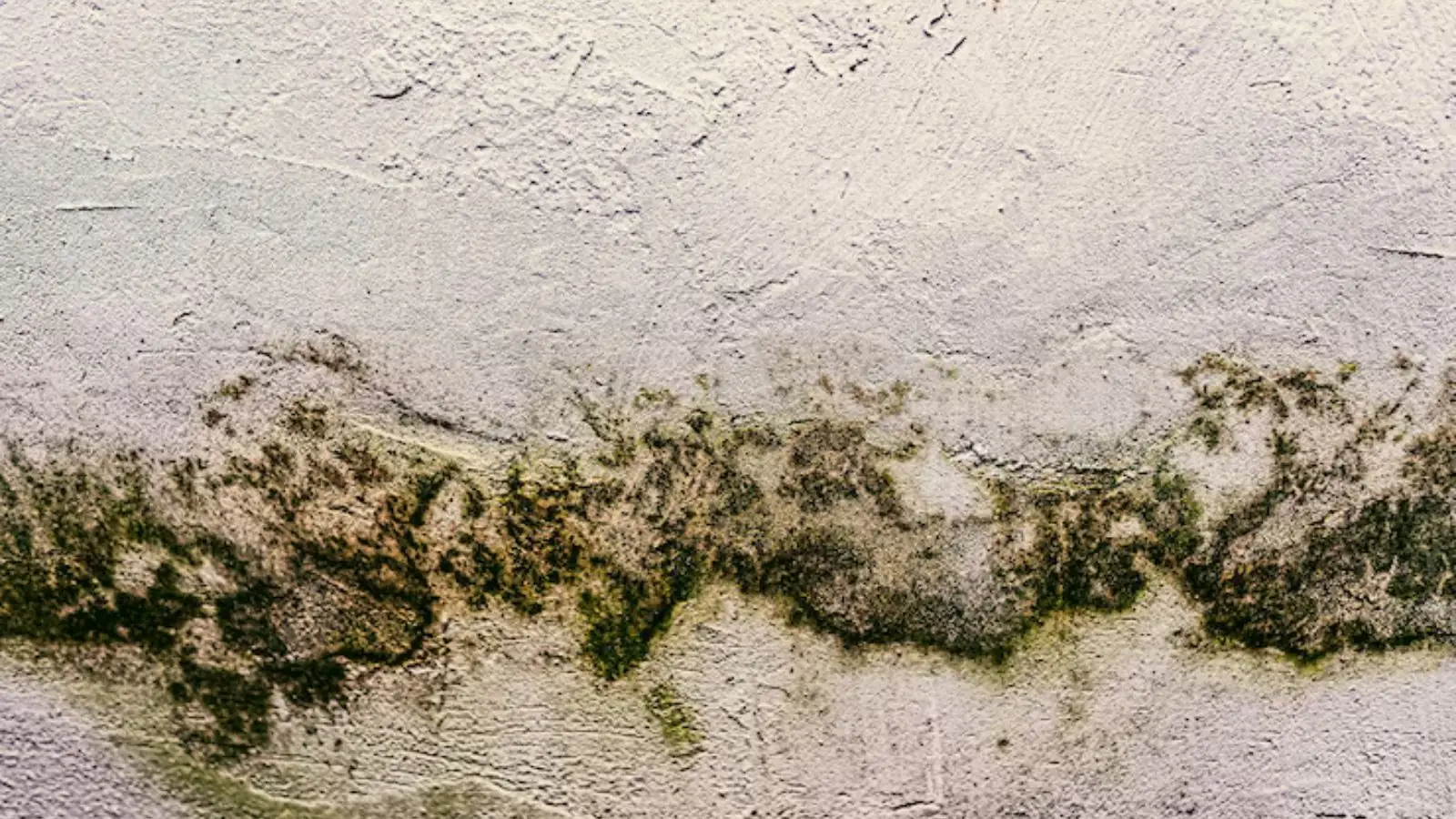
Mold mitigation in a basement-type space means finding the moisture source, drying the room, containing the area and removing the growth and the materials it damaged. True basements are uncommon in Florida because of the high water table, so in Palm City, FL this problem tends to show up in sunken rooms, below-grade stairwells, walk-out lower levels and finished garage rooms.
People still search for basement mold in Florida, and the answer is the same as anywhere: mold needs moisture, so the fix starts with water, not with a spray bottle.
Why low spaces grow mold
A low room has three things working against it. It is surrounded by ground that holds water, it is often poorly ventilated and it sits at a cooler temperature than the rest of the house, which makes humid air condense on cold surfaces. In a warm, humid area, that is enough for mold to start on drywall, cardboard, carpet and stored fabric.
- A musty smell that gets stronger after rain.
- Visible spots on lower walls, baseboards or stored items.
- Peeling or bubbling paint near the floor.
- Damp carpet, or concrete that feels cold and wet.
- A dehumidifier that fills quickly and keeps running.
Fix the moisture first
The EPA's guidance on mold says the key to controlling it is controlling moisture, and that mold cannot be permanently removed if the water problem is not fixed. For a low room that means checking for a roof or plumbing leak, drainage around the foundation, gutters and downspouts, a failed drain or pump and condensation on cold pipes or ducts.
Once the source is stopped, the room has to be dried, as covered on the below-grade water damage page and the structural drying page. Cleaning mold off a wall that is still wet only buys a short break.
Small patch or bigger problem?
| What you see | What it usually means | Next step |
|---|---|---|
| A few small spots on a hard surface. | Surface growth after a short damp spell. | Fix the moisture, then clean with detergent and water while wearing protection. |
| A large area, or growth on drywall or carpet. | Porous materials soaked and growing. | Contact a remediation professional. |
| Musty smell and no visible growth. | Possible hidden mold in a wall or under flooring. | Moisture readings and a possible inspection. |
| Growth after sewage or flood water. | Contaminated water. | Do not clean it yourself. See the sewage page. |
How remediation works in a low room
- Stop the waterRepair the leak, clear the drain or fix the grading that sends water toward the room.
- Contain the areaPlastic barriers and air control keep spores from spreading to the rest of the house.
- Remove what cannot be cleanedDrywall, insulation, carpet and stored cardboard with growth are bagged and removed.
- Clean and dryHEPA vacuums and damp wiping clean framing and hard surfaces, and dehumidifiers dry the room.
- VerifyAn independent assessor can test afterward to confirm clearance. See the mold remediation page.
Why Palm City homes rarely have basements
Palm City sits between the South Fork of the St. Lucie River and Florida's Turnpike, in an area the county describes as having drainage challenges in its older neighborhoods. The Old Palm City redevelopment plan, adopted in April 2002, named drainage as one of the area's biggest problems, and the county has since built stormwater projects there.
In a place like that, any room below the surrounding ground should be treated with care. Look up your address on the FEMA flood map and Martin County's flood zone tool, and ask your insurer whether groundwater and flood are covered, because many standard policies exclude both.
Can I use bleach?
The EPA advises against relying on bleach or biocides to solve a mold problem, because the answer is to dry and remove the growth. Bleach does not fix moisture and does not penetrate porous materials. If you clean a small patch yourself, wear gloves, eye protection and a mask rated for the job, and keep children and anyone with breathing problems away.
If the area is large, if you have health concerns or if the mold came with sewage or flood water, call a professional. Medical questions belong with a doctor.
Selling or refinancing with a mold history
Buyers and lenders sometimes ask for a written record that a problem was fixed. Keep the moisture source repair, the drying logs and any clearance test result. Ask your real estate agent or attorney about disclosure rules, because they vary by situation.
If your water problem started with a leak from above, the ceiling page explains how it travels, and the pages for Port Saint Lucie and Hobe Sound describe other parts of the service area.
Smell mold in a low room? Do not disturb it. Call the line to talk through the next step.
☎ Call (833) 521-1033Common questions
Do Palm City homes have basements?
They are uncommon because of the high water table. This guide covers below-grade rooms, sunken spaces and finished lower levels.
How do I know if mold is behind the wall?
A musty smell, a stain that returns or paint that bubbles are clues. A moisture meter and, if needed, an inspection show what the wall holds.
Should I test for mold?
Not always. If growth is visible, the response is the same. Testing helps when growth is hidden or when documentation is needed.
Will a dehumidifier alone fix it?
It helps control humidity, but it does not remove growth or repair a water source.
Does homeowners insurance cover mold?
It depends on the cause and the policy. Some policies cover mold only after a covered water loss, so read your policy and ask your insurer.