
Professional drying of water damage commonly takes several days, and many jobs run about three to five days of equipment time, but the real answer depends on the amount of water, the materials, the humidity and how quickly drying starts.
A house with a small, clean-water leak may dry sooner, and a house with a soaked slab, hardwood or plaster walls can take longer. The job is done when meter readings reach the dry standard, not when a certain number of days have passed.
This guide explains what sets the timeline, why a humid area like Palm City, FL needs more than fans and what to expect from the process.
What controls how long drying takes
| Factor | Effect on drying time | Why |
|---|---|---|
| How much water. | More water takes longer. | More moisture has to leave the building. |
| How long it sat. | Longer exposure takes longer. | Water soaks deeper into materials. |
| Material type. | Concrete, hardwood and plaster take longer than drywall. | Dense materials release water slowly. |
| Water category. | Contaminated water may mean removal instead of drying. | Porous materials may be cut out. |
| Humidity and temperature. | High humidity slows evaporation. | The air has less room to take moisture. |
| Equipment and airflow. | The right setup shortens the job. | Air movers and dehumidifiers must match the area. |
Why humidity matters so much here
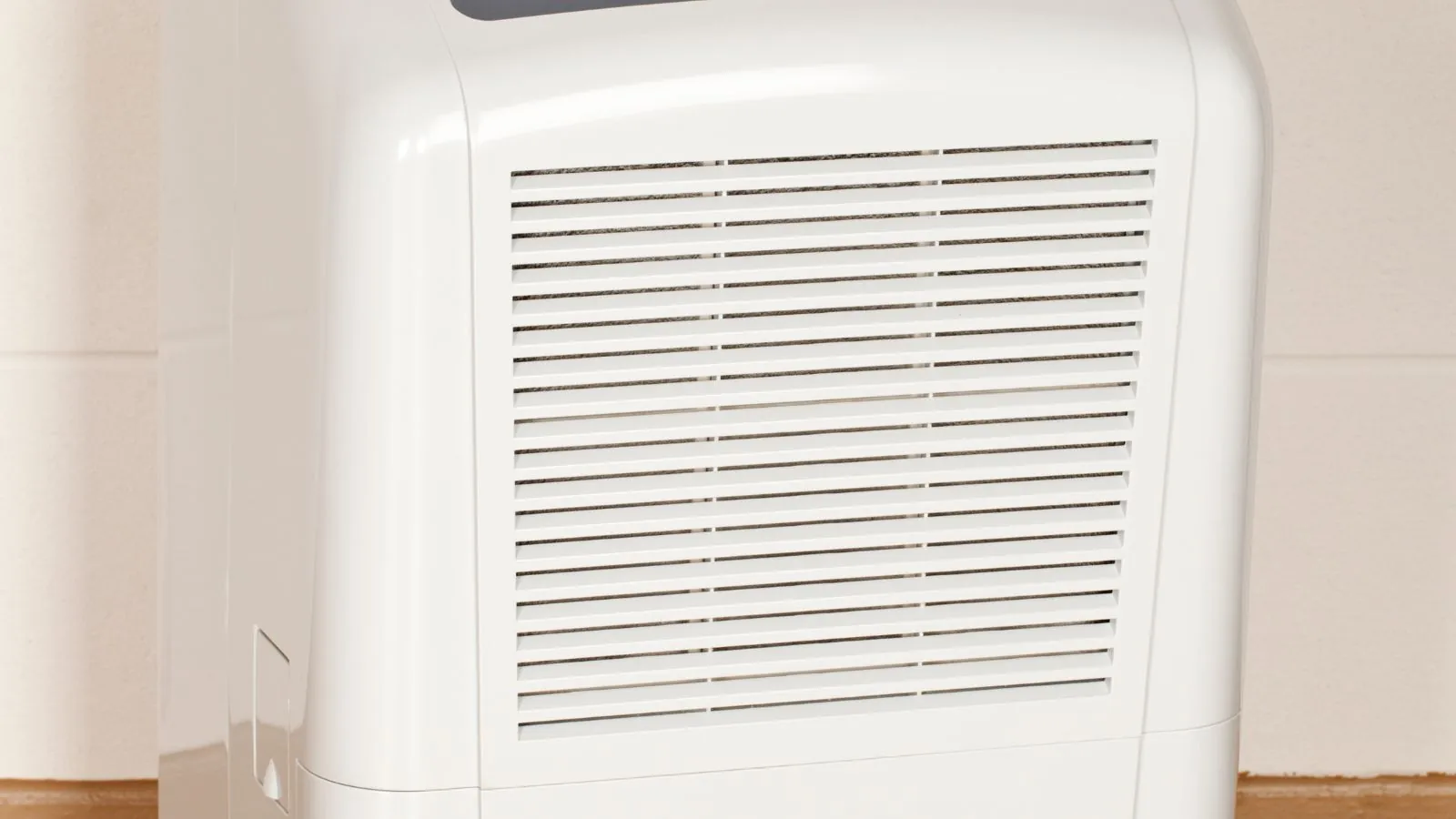
Drying works by moving water out of the material and into the air, and then moving the moisture out of the air. If the air is already humid, it can take less water. That is why dehumidifiers are central in a warm, humid place, and why opening windows does not help when the outside air is damp. The structural drying page explains how the equipment is chosen and monitored.
A typical timeline
- Hours 0 to 24: extraction and setupStanding water is removed, wet materials are assessed and equipment is placed.
- Days 1 to 3: active dryingAir movers and dehumidifiers run. Readings are taken daily and equipment is moved as needed.
- Days 3 to 5: finishing and checkingReadings approach the dry standard. Spots that lag get extra attention.
- When readings are dryEquipment is removed. Repairs begin.
- Heavy jobs: longerSoaked slab, wood floors or large areas can need more time.
These are general patterns, not promises, and a written scope for your home should state the plan and then be updated as the readings come in.
Wood floors, slabs and walls: the slow ones
Wood floors are dried slowly on purpose, because fast, hot drying can crack boards. The hardwood floor page explains why. Concrete holds water and releases it slowly, as covered on the slab leak page. Walls with insulation inside can stay wet in the cavity after the surface dries, which is why readings matter more than touch.
What Palm City conditions add
Palm City is in Martin County on the Treasure Coast, where warm, humid air is common for much of the year. A closed-up house with the AC set high may hold humidity near the level where mold grows, so drying plans here use dehumidifiers and ask you to keep conditions steady.
If the water came from a storm or a rising creek or river, check your flood zone on Martin County's flood zone map. Flood water is contaminated, and porous materials near the waterline are usually removed rather than dried, which changes the timeline.
How to tell the job is dry
- Meter readings on drywall, wood and subfloor match the reference readings for dry materials.
- Readings are recorded each day and shown to you.
- Humidity in the room has returned to a normal range.
- The musty smell is gone.
- The equipment stays until the readings, not the calendar, say it can go.
If a crew removes equipment based on a timeline and not on readings, ask for the readings. Equipment removed too early can leave moisture in the wall, and that is how mold starts. See the mold remediation page for what comes after if growth starts.
What you can do to help
- Keep doors and windows closed in the drying area.
- Keep the AC at the temperature the crew suggests.
- Do not turn equipment off because of noise.
- Keep pets and children away from machines and cords.
- Report any new smell or stain right away.
Drying starts after extraction. If water is still standing, see the extraction page. For homes in Hobe Sound or Port Salerno, the dispatcher plans monitoring visits around the distance.
Water still in the walls or floors? Call the line for readings and a drying plan.
☎ Call (833) 521-1033What to do right now
- Stop the source of water if it is safe to do so.
- Keep power off in wet areas and stay out of standing water near outlets.
- Photograph the damage before moving or throwing anything away.
- Open interior doors for airflow, and do not heat the room to speed drying.
- Call a restoration line if the area is large or the water has sat for more than a day.
Common questions
How long does it take to dry a house after a leak?
Many jobs take about three to five days of active drying, but it depends on the water, the materials and the humidity. Readings decide when it is done.
Can I dry it myself with fans?
For a small surface spill, yes. For wet walls, floors or insulation, you need dehumidification and moisture readings.
Why does equipment have to run for several days?
Water stays inside walls and floors after the surface looks dry. Equipment runs until readings reach the dry standard.
Will high humidity make drying longer?
Yes. Humid air has less room to take moisture, so dehumidifiers are needed.
How do I know it is dry?
Ask for daily moisture readings and the target numbers. Equipment should be removed only when readings reach the target.