
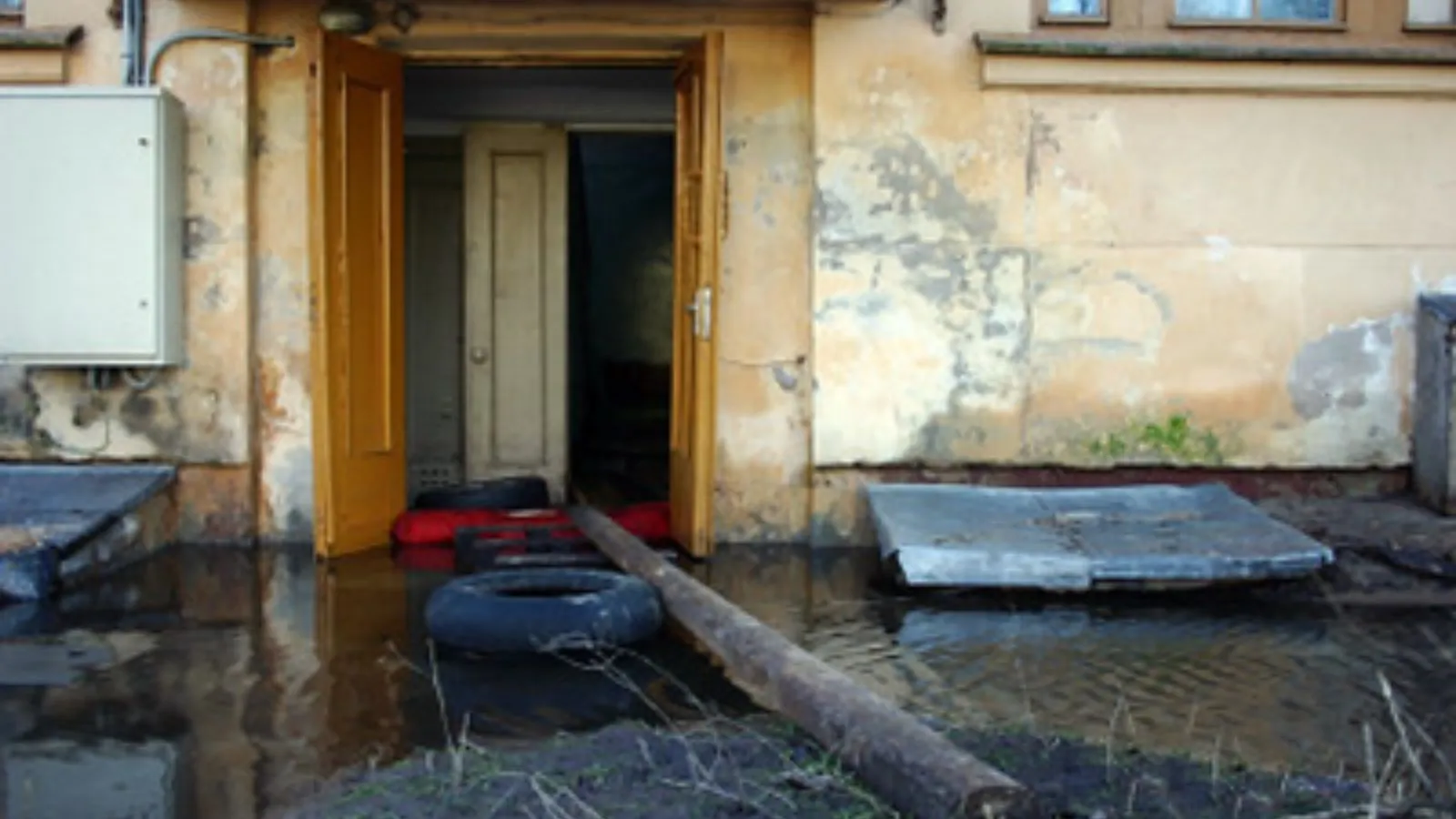
To check a home for water damage before buying in Palm City, FL, walk it with a flashlight and look for stains, soft spots and musty smells.
Check the roof, the air conditioner and the plumbing, look up the flood zone and ask the seller about past leaks and claims. Then hire a licensed inspector who can take moisture readings. A home that looks freshly painted deserves extra attention, because paint can hide a stain.
This guide is general information, not legal or inspection advice. A licensed inspector and your real estate agent or attorney are the right people to rely on for a purchase.
Inside: what to look for on a walk-through
| Area | Warning sign | What it may mean |
|---|---|---|
| Ceilings. | Stains, rings, sagging, fresh paint patches. | Roof, plumbing or AC leak above. |
| Walls. | Bubbled paint, soft spots, cracks near floors. | Moisture inside the wall. |
| Floors. | Cupping, buckling, stains, a soft feel. | Water under the flooring. |
| Under sinks. | Warped cabinet base, rust, stains. | Slow plumbing leaks. |
| Windows and doors. | Water marks on sills and trim. | Seal or flashing problems. |
| Closets and corners. | Musty smell, dark spots. | Hidden moisture or growth. |
| Near the AC handler. | Rust, a wet pan, ceiling stains. | Drain line or pan problems. |
Use your nose as well as your eyes. A musty smell in a closed house is a clue, even when everything looks clean. Press lightly on baseboards and wall bottoms for softness. Open cabinet doors and look at the floor of the cabinet, not just the front.
Outside and above: roof, grading and drainage
- Check the roof surface for missing, cracked or curled shingles and for stains on the ceiling below.
- Look at flashing around vents and chimneys.
- Check that gutters and downspouts carry water away from the house.
- Look at the grade around the house, which should slope away from the walls.
- Note whether the lot has low spots that hold water.
- Look for stains on the lower wall that may show past water.
A roof leak often shows up as a ceiling stain days after a storm. The ceiling water damage page describes how those leaks travel, and the storm water damage page covers wind and rain openings.
Flood zone and insurance: do this before the offer gets firm
Look up the address on the FEMA flood map and on Martin County's flood zone map, which you can search by address if the property is in Martin County. A lender may require flood insurance in a mapped hazard area, and the cost can be large, so get a quote early. Martin County notes that most standard homeowners policies do not cover flood damage.
Ask for the home's insurance claim history, often called a CLUE report, through the seller or your agent. Ask your own insurer whether they will write a policy and at what cost, because a home with past water claims can be harder or costlier to insure.
Local checks for Palm City properties
Palm City is an unincorporated community in Martin County, so permits are handled by the Martin County Building Department in Stuart. You can ask the department about permits on a property, such as a re-roof or a water heater replacement, which the county says needs a permit.
The community sits between the South Fork of the St. Lucie River and Florida's Turnpike. The Old Palm City redevelopment plan, adopted in April 2002, listed drainage as one of the area's biggest problems, and the county has built stormwater projects there since. Ask the seller how the lot drains after heavy rain.
Questions to ask the seller
- Has the house ever had a water leak, a flood or a roof leak?
- Were any insurance claims made, and what was repaired?
- When was the roof, water heater and air handler last replaced?
- Were permits pulled for repairs?
- Are there any known problems with the drainage or the AC drain line?
- Has the house sat vacant for long periods?
Florida sellers have disclosure duties, and the exact rules are a question for your real estate agent or attorney. Do not rely on an answer alone. Check what you can.
When to hire an inspector, and when to get readings
A licensed home inspector checks the visible condition of the house and usually uses a moisture meter. If the inspector finds a stain, a smell or a reading that is higher than expected, ask for a closer look before you close. A restoration or mold professional can take detailed readings, and for suspected mold an independent assessor can test. See the mold remediation page for how testing and clearance work.
If you find damage, you have options: ask for repairs, a credit or a lower price, or walk away. Ask your agent or attorney how the contract handles inspection findings and deadlines.
Red flags that call for a second opinion
- Fresh paint on one section of a ceiling or wall.
- A strong air freshener smell.
- Swollen baseboards or a bouncy floor.
- A seller who will not answer questions about past leaks.
- Recent flooring on only part of a room.
For homes in nearby towns, the Jensen Beach page and the Port Saint Lucie page note that county and permit offices differ across the county line.
Found water damage in a house you own or are buying? Call the line to talk through the next step.
☎ Call (833) 521-1033Common questions
Can a home inspector find hidden water damage?
A licensed inspector can find many signs and often uses a moisture meter, but hidden damage inside walls may need further readings.
How do I check if a Palm City home is in a flood zone?
Search the address on Martin County's flood zones map or the FEMA Flood Map Service Center, and ask your insurer for a quote.
Should I worry about fresh paint?
It can be normal, but fresh paint on a ceiling or wall near a stain deserves a closer look.
Will a past water claim affect my insurance?
It can affect availability and cost. Ask your agent for a quote before you commit.
What if I find mold during the buying process?
Ask your agent or attorney how the contract handles it, and consider independent testing and a remediation estimate.